Before Starting GLP-1 — A Dietitian’s Honest Answer
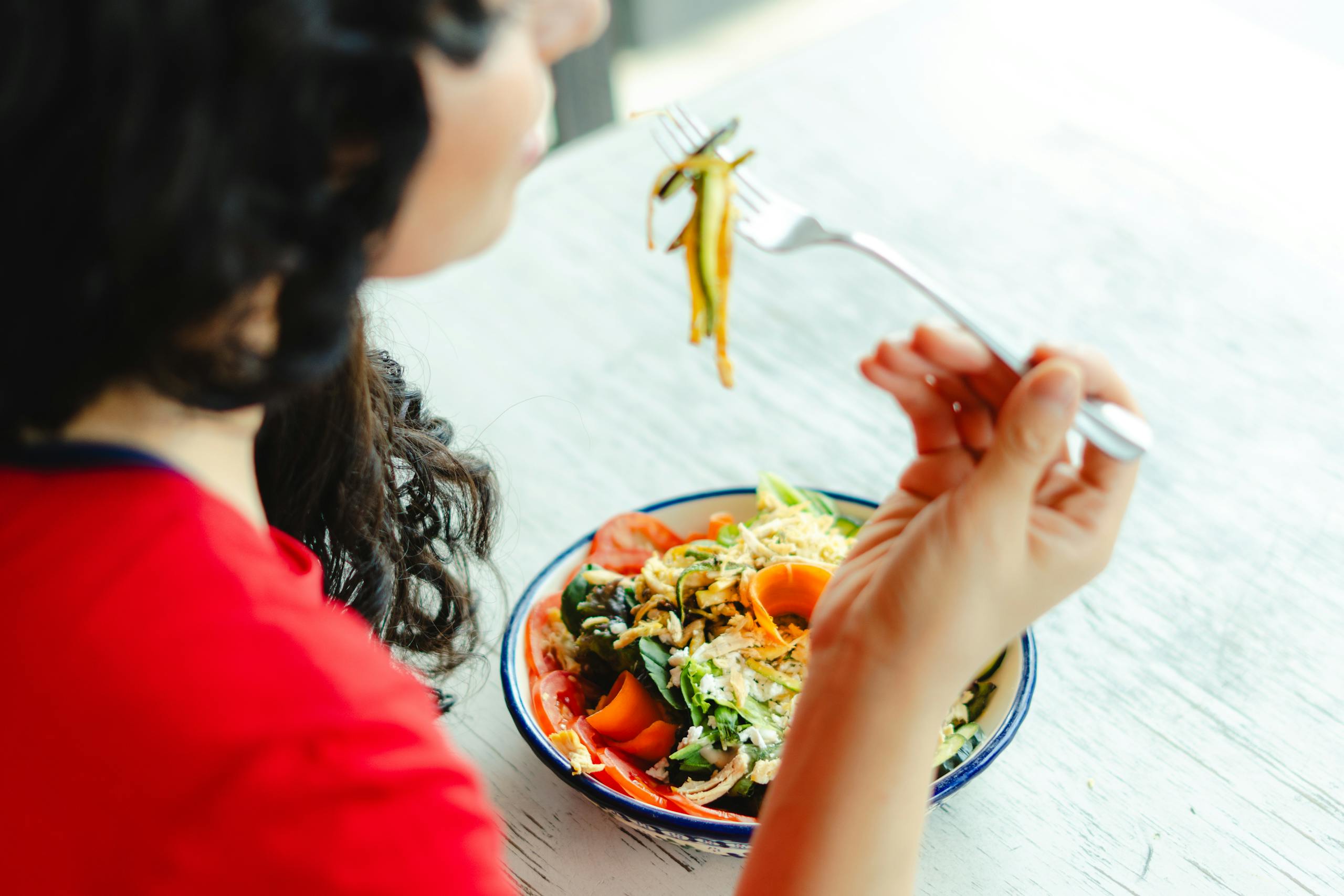
There are things nobody tells you before starting GLP-1. As a Registered Dietitian who works with women on GLP-1 medications every day I have seen what happens when people go in prepared — and what happens when they do not. This post shares my honest answer to everything I wish my clients knew before they started their journey.
This is not about scaring you. GLP-1 medications are a genuinely powerful tool and for many women they have been life changing. But there are things nobody tells you before you start. Things I wish every single one of my clients knew on day one. Things that would have saved them months of frustration, confusion and in some cases heartbreak.
What Every Woman Should Know Before Starting GLP-1
1. The Medication Will Not Do The Work For You
One of my clients came to me frustrated and confused. She had been on her GLP-1 medication for weeks and the scale had not moved. Not a single pound. When we sat down and looked at her eating habits together the answer became clear immediately — she had not changed anything about what she was eating. She was just eating less of the same things.
The moment she started incorporating more vegetables into her meals and drinking adequate water everything shifted. The weight started moving. Her energy improved. She felt like the medication was finally working.
Here is the truth. The medication creates the conditions for weight loss. But you have to show up with the right nutrition habits to make it happen. GLP-1 is a headstart. It is not the entire race.
2. Hydration Is Not Optional — It Is Critical
Most women on GLP-1 medications are not drinking nearly enough water and it is silently working against them.
Improper hydration on GLP-1 can cause you to feel significantly worse than you should. The symptoms include fatigue and low energy that feels impossible to shake, impaired cognitive function and brain fog, slowed weight loss progress even when you are doing everything else right, and worsening of common GLP-1 side effects like nausea and headaches.
Your body needs water to metabolize fat, transport nutrients, regulate temperature, and support every single biological process that makes weight loss possible. When you are eating less you are also getting less water from food which makes intentional hydration even more important.
Aim for at least 8 to 10 glasses of water per day. More if you are active. If plain water feels unappealing try herbal teas, sparkling water, or adding cucumber or lemon for flavor. But drink. Every single day.
3. You Are Probably Losing Muscle — Not Just Fat
This is the one that stops most of my clients in their tracks when I tell them.
When you lose weight rapidly without adequate protein intake your body does not just burn fat. It breaks down muscle tissue for fuel as well. And the consequences of muscle loss go far beyond how you look on the outside.
Losing muscle on GLP-1 increases your risk of injury and falls, lowers your metabolic rate making it harder to maintain your results long term, decreases your functional strength and fitness making everyday activities harder, and sets you up for faster and more significant weight regain when you stop the medication.
The solution is consistent protein intake and some form of resistance exercise even if that just means walking with light weights or doing bodyweight exercises at home. Protecting your muscle while you lose weight is one of the most important things you can do for your long term health and your long term results.
4. Nutritional Deficiencies Are A Real Risk
When you are eating significantly less food you are also getting significantly fewer nutrients. And on GLP-1 medications certain deficiencies are particularly common and particularly serious if left unaddressed.
The nutrients my GLP-1 clients are most commonly deficient in include iron, vitamin B12, calcium, vitamin D, potassium, and magnesium. Fiber and essential fatty acids are also frequently lacking.
These deficiencies do not just show up as numbers on a lab test. They show up in your daily life as fatigue that will not go away, hair loss that feels alarming, poor recovery after exercise or illness, cognitive issues and difficulty concentrating, and a weakened immune system that leaves you catching every cold that comes around.
The solution is not simply taking a multivitamin and hoping for the best. It is making sure that the food you are eating — even in smaller amounts — is as nutrient dense as possible. Every bite counts more now than it ever has before. Choose foods that work hard for you.
5. What Happens When You Stop Is Not Talked About Enough
This is the piece of information I wish every GLP-1 user received before starting GLP-1. Because what happens when you stop the medication is predictable, biological, and almost entirely preventable with the right preparation.
When you stop taking GLP-1 your appetite signals return — sometimes more intensely than before the medication. Your brain’s reward response to food goes back to pre-medication levels. The fullness signals that kept you satisfied on smaller portions become less prominent. And gut emptying speeds up again which means you start feeling hungry sooner after meals.
The research on this is sobering. Without strategic habit changes in place most people regain approximately two thirds of their lost weight within one year of stopping the medication. And many return to their baseline weight within two to three years.
This is not a character flaw. It is biology. Your body is doing exactly what it is designed to do. But it means that the habits you build while you are on the medication are everything. They are the difference between keeping your results and watching them disappear.
6. If Emotional Eating Has Never Been Addressed The Medication May Not Solve It
GLP-1 medications suppress physical hunger remarkably well. But they do not address emotional hunger. And for many women those two things have been deeply intertwined for years.
If you have patterns of eating in response to stress, boredom, loneliness, anxiety, or any other emotion that has never been addressed a GLP-1 medication may reduce your appetite but it will not resolve the underlying relationship with food. The emotional triggers will still be there. And when the medication stops or the dose changes those patterns can return full force.
This is not a reason not to take the medication. It is a reason to use the time on the medication wisely. Address the emotional patterns while the physical hunger is quieter. Work with a therapist, a coach, or a support system. Learn what triggers your eating. Build coping strategies that do not involve food.
7. The Most Powerful Thing You Can Do Is Treat This As A Blueprint Building Exercise
Here is the mindset shift that changes everything for my clients.
Instead of thinking of GLP-1 as a weight loss tool think of it as a window of opportunity. A period of time where your appetite is quieter, your cravings are reduced, and you have the mental space to actually figure out what works for your body.
Use that window to learn. Notice which foods make you feel energized and satisfied. Notice which ones leave you feeling depleted. Journal your experience so you have an actual record of what works for you specifically — not what works for someone else on the internet but what works for your unique body.
Understand that there is a maintenance phase on the other end of this journey. Plan for it now. What exercise habits will you maintain? What nutrition strategies will become permanent? What emotional regulation skills will replace food as comfort?
The women who succeed long term on GLP-1 are not the ones who lost the most weight on the medication. They are the ones who used the time on the medication to build a blueprint they can follow for the rest of their lives.
GLP-1 gives you the headstart. Your habits are the race.
The Bottom Line
Starting GLP-1 without understanding these seven things is like getting into a car without knowing how to drive. The car is powerful. But without the right knowledge and skills you are not going to get where you want to go.
You deserve to go in prepared before starting GLP-1. You deserve to make the most of every dose. And you deserve results that last long after the medication does.
Ready to build the habits that make your GLP-1 results last?
Start with your free GLP-1 Daily Protein Tracker — the first step in building the nutrition habits that protect your results for good.
Access your free tracker → click the button below