How Much Protein Do You Need on GLP-1? A Registered Dietitian Explains
If you are taking a GLP-1 medication like Ozempic or Wegovy you have probably noticed something remarkable — your appetite has almost disappeared. Food that used to call your name no longer interests you. You can go hours without thinking about eating. And for the first time in years the scale is moving in the right direction.
But here is what most women on GLP-1 do not realize. That suppressed appetite is a double edged sword. And if you are not paying close attention to one specific nutrient your results could be quietly working against you even while the scale goes down.
That nutrient is protein. And chances are you are not getting nearly enough of it.
Why GLP-1 Suppresses Your Appetite — And Why That Is A Problem
GLP-1 medications work by mimicking a hormone that signals fullness to your brain. They slow digestion, reduce hunger, and make it much easier to eat less. For weight loss that sounds perfect. And in many ways it is.
But when you are barely eating your body does not automatically prioritize the right nutrients. Most women on GLP-1 end up eating significantly less protein than they need — not because they are making bad choices but because they are simply not hungry enough to eat adequate amounts of anything.
And when your body does not get enough protein it turns to your muscles for fuel instead. That means the weight you are losing on the scale is not just fat. It is muscle. And losing muscle is one of the primary reasons women regain weight after stopping GLP-1 medications.
The 3 Biggest Protein Mistakes GLP-1 Users Make
As a Registered Dietitian who works with women on GLP-1 medications I see the same three mistakes over and over again.
Mistake 1 — Assuming no appetite means no eating
One of the most common things I hear from my GLP-1 clients is “I am just not hungry so I figured it was okay to skip meals.” I completely understand this thinking. When you have spent years battling hunger and overeating the idea of not being hungry feels like a gift.
But here is the clinical reality. Your body needs protein to maintain muscle mass, support your immune system, regulate hormones, and keep your metabolism functioning properly. Hunger is not a reliable signal for protein needs. You need to eat even when you do not feel like it — especially protein.
Think of it this way. The GLP-1 medication is giving you a tremendous headstart on your weight loss journey. But it is not meant to be the entire race. The habits you build while on the medication are what determine whether your results last long after you stop taking it.
One practical tip that makes a real difference — eat your protein source first at every single meal before anything else on your plate. When appetite is suppressed you have a limited window of hunger. Use that window for the most important nutrient first. Additionally try to front load your protein earlier in the day when appetite tends to be slightly better. Many of my GLP-1 clients find their hunger is marginally higher in the morning than in the evening making breakfast the most strategic meal for hitting protein targets.
Mistake 2 — Thinking you need to eat large amounts of protein at once
Many women hear their protein target — which for most GLP-1 users falls between 80 and 120 grams per day depending on body weight and goals — and immediately feel overwhelmed. That sounds like an enormous amount of food especially when your appetite is suppressed.
But here is the good news. You do not need to eat all your protein in one sitting. In fact spreading your protein intake evenly across all your meals is actually more effective for muscle preservation than eating a large amount at once.
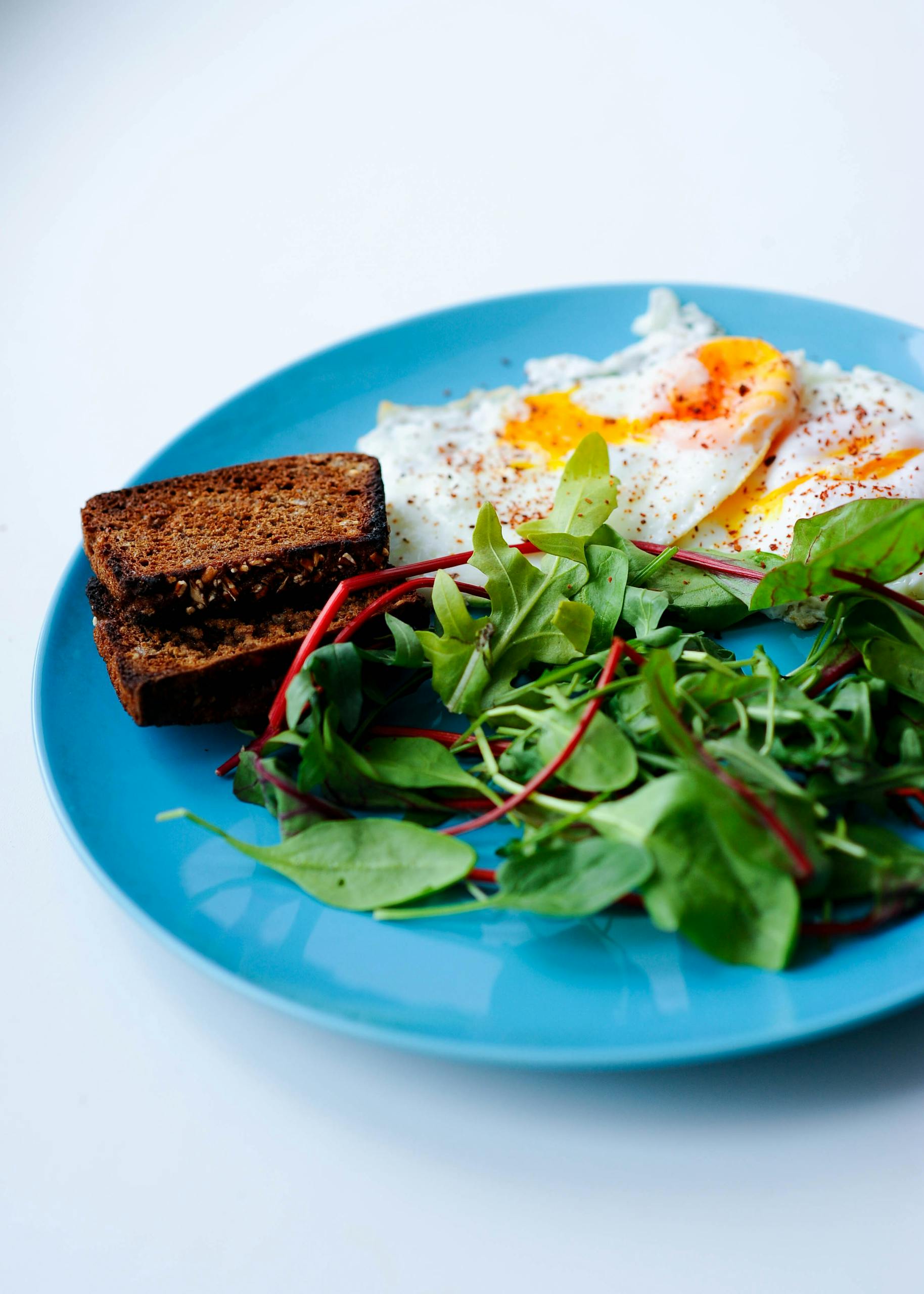
Aim for 20 to 30 grams of protein at each meal. That is achievable even with a small appetite. Two eggs and a small container of Greek yogurt at breakfast gets you there. A palm sized portion of chicken or salmon at lunch does the same. Small consistent amounts throughout the day add up to exactly what your body needs.
Mistake 3 — Thinking protein only comes from meat
I hear this one constantly. Women who do not enjoy beef or chicken or other animal proteins assume they cannot hit their protein targets. This could not be further from the truth.
Protein is abundant in a wide variety of foods that have nothing to do with a steak or a chicken breast. Some of my favorite protein sources for GLP-1 clients who struggle with appetite include:
Sardines — one of the most nutrient dense protein sources available
Salmon — high protein, rich in omega 3 fatty acids, and easy to eat in small amounts
Lentils and black beans — plant based protein that also provides fiber which is critical for blood sugar stability
Peanut butter and other nut butters — easy to add to smoothies or eat by the spoonful when appetite is low
Almond milk — adds protein to smoothies and can be consumed even when solid food feels unappealing
Greek yogurt and cottage cheese — soft, easy to eat in small amounts, and deliver 15 to 20 grams of protein per serving
A helpful strategy I use with my clients is creating what I call a personal protein list — writing down every protein source you enjoy from your absolute favorite to the ones you can tolerate on a difficult day. On good days eat from the top of your list. On hard days work your way down until you find something that feels manageable. No judgment. Just consistency.
What To Do On Days When You Cannot Eat Anything At All
Every GLP-1 user has those days. The nausea is worse than usual. The thought of food is genuinely unappealing. You cannot imagine sitting down to a meal.
On those days having emergency protein options ready can be the difference between hitting your target and falling dangerously short. Here are my go to recommendations for my clients:
Protein shakes — easy to sip slowly throughout the day even when solid food feels impossible. I prefer homemade protein shakes made with a high quality protein powder as a better option.
Greek yogurt with protein powder mixed in — soft, easy to eat in small spoonfuls, and gets you 30 or more grams of protein in a few bites.
Pre cooked protein portions in the freezer — on a good day cook extra chicken, salmon, or turkey and freeze it in individual portions. On a bad day you just reheat and eat without any effort.
The goal on difficult days is not perfection. It is maintenance. Keep your protein intake as consistent as possible even when everything else feels hard.
How Much Protein Do You Actually Need on GLP-1?
The answer depends on your body weight and your specific goal. As a general clinical guideline I use the following framework with my GLP-1 clients:
If your goal is to maintain your current results on GLP-1 aim for 0.8 grams of protein per kilogram of body weight daily.
If your goal is to protect your muscle while continuing to lose aim for 1.0 grams per kilogram of body weight daily.
If your goal is to maximize muscle preservation aim for 1.2 grams per kilogram of body weight daily.
To calculate your target divide your weight in pounds by 2.2 to get your weight in kilograms. Then multiply by your goal number.
For example a woman who weighs 150 pounds has a body weight of approximately 68 kilograms. At the 0.8 multiplier her daily protein target would be about 55 grams. At 1.2 her target would be about 82 grams.
The Bottom Line
GLP-1 medications are a powerful tool. They can give you a headstart that would have taken years to achieve on your own. But they are just the beginning of the journey — not the entire race.
The women who keep their results long after stopping GLP-1 are the ones who used the time on the medication to build real habits. Consistent protein intake is the single most important habit you can build right now while your appetite is suppressed and the medication is working for you.
Do not wait until you are off the medication to start caring about protein. Start today.
Ready to find out if you are hitting your protein target?
I created a free GLP-1 Daily Protein Tracker specifically for women like you. It calculates your personal protein target based on your weight and goals and helps you track every meal so you never have to guess again.
Access your free tracker → Click the button below